Tony Q.S. Quek, Fellow of IEEE
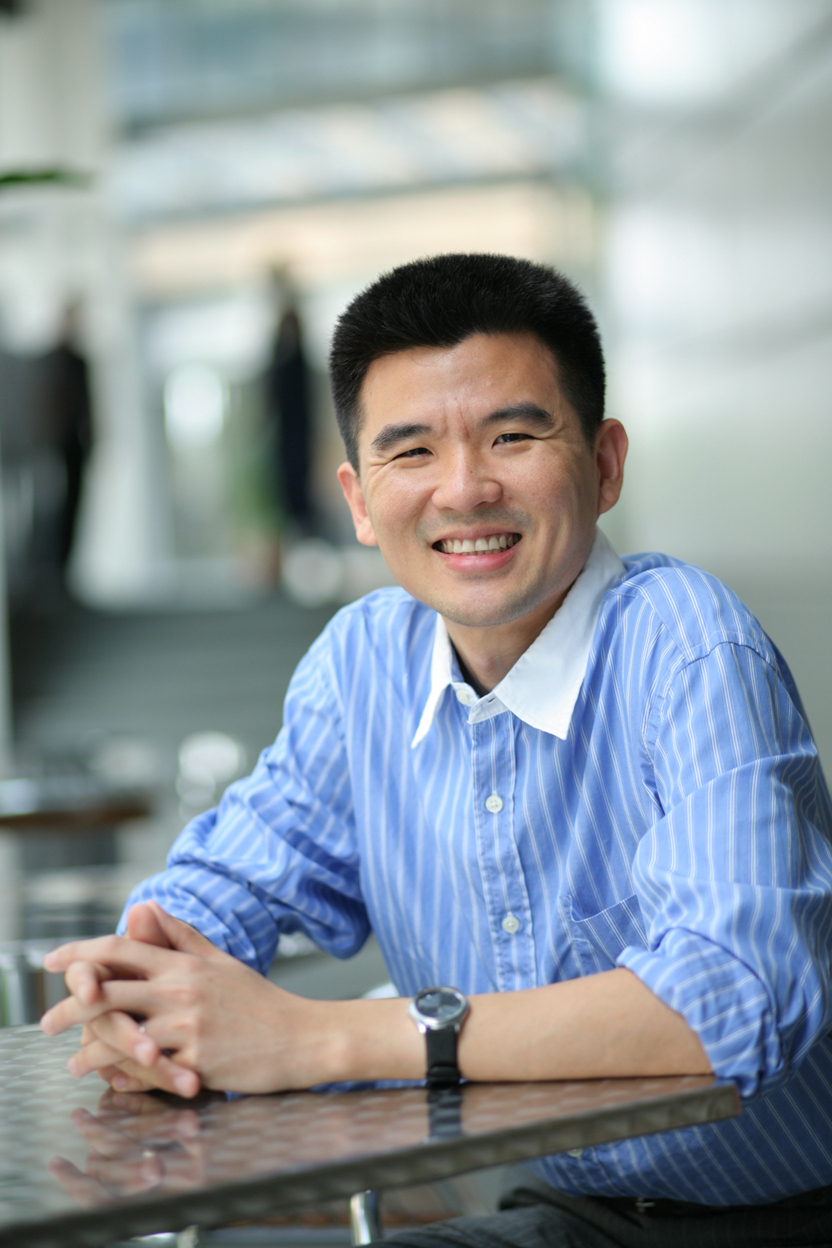
Associate Provost (AI & Digital Innovation)
Cheng Tsang Man Chair Professor
Fellow of IEEE, WWRF Fellow and Fellow of Academy of Engineering Singapore
ST Engineering Distinguished Professor
Director, Future Communications R&D Programme
Deputy Director, SUTD-ZJU IDEA
Tony Q.S. Quek received the B.E. and M.E. degrees in Electrical and Electronics Engineering from Tokyo Institute of Technology, respectively. At Massachusetts Institute of Technology, he earned the Ph.D. in Electrical Engineering and Computer Science. Currently, he is the Associate Provost (AI & Digital Innovation) and Cheng Tsang Man Chair Professor with Singapore University of Technology and Design (SUTD). He also serves as the Director of the Future Communications R\&D Programme, and the ST Engineering Distinguished Professor. He is a co-founder of Silence Laboratories and NeuroRAN. His current research topics include wireless communications and networking, network intelligence, non-terrestrial networks, open radio access network, AI-RAN, and 6G.
Dr. Quek was honored with the 2008 Philip Yeo Prize for Outstanding Achievement in Research, the 2012 IEEE William R. Bennett Prize, the 2015 SUTD Outstanding Education Awards -- Excellence in Research, the 2016 IEEE Signal Processing Society Young Author Best Paper Award, the 2017 CTTC Early Achievement Award, the 2017 IEEE ComSoc AP Outstanding Paper Award, the 2020 IEEE Communications Society Young Author Best Paper Award, the 2020 IEEE Stephen O. Rice Prize, the 2020 Nokia Visiting Professor, the 2022 IEEE Signal Processing Society Best Paper Award, the 2024 IIT Bombay International Award For Excellence in Research in Engineering and Technology, the IEEE Communications Society WTC Recognition Award 2024, and the Public Administration Medal (Bronze). He is an IEEE Fellow, a WWRF Fellow, an AIIA Fellow, a member of NAAI, and a Fellow of the Academy of Engineering Singapore.
His current research interests include wireless communications and networking, network intelligence, non-terrestrial networks, open radio access networks, AI-RAN, and 6G.
Talk Title: Token Communications in AI-RAN: A Pathway towards Robust and Scalable AI Generative Services in Future Networks
Talk Abstract: Token Communication is a emerging paradigm, where intelligent agents such as small and large language models and general-purpose robots are connected through fundamental AI processing units known as tokens. These discrete units are semantic information employed by foundation models. On the other hand, there is a recent trend to explore the concurrent use of converged computer-and-communications infrastructure to run RAN and AI workloads, enhancing platform utilization and creating new monetization opportunities. This concept is known as AI-Radio Access Network (AI-RAN), which natively implements AI-driven RAN functionalities, enabling site-specific RAN operations and improving KPIs. In this talk, we will provide an overview how token communication intersect with AI-RAN. Furthermore, we will also share some of our recent works in AI-RAN through Singapore’s Future Communications Research and Development Programme (FCP).
Min Chen, Fellow of IEEE
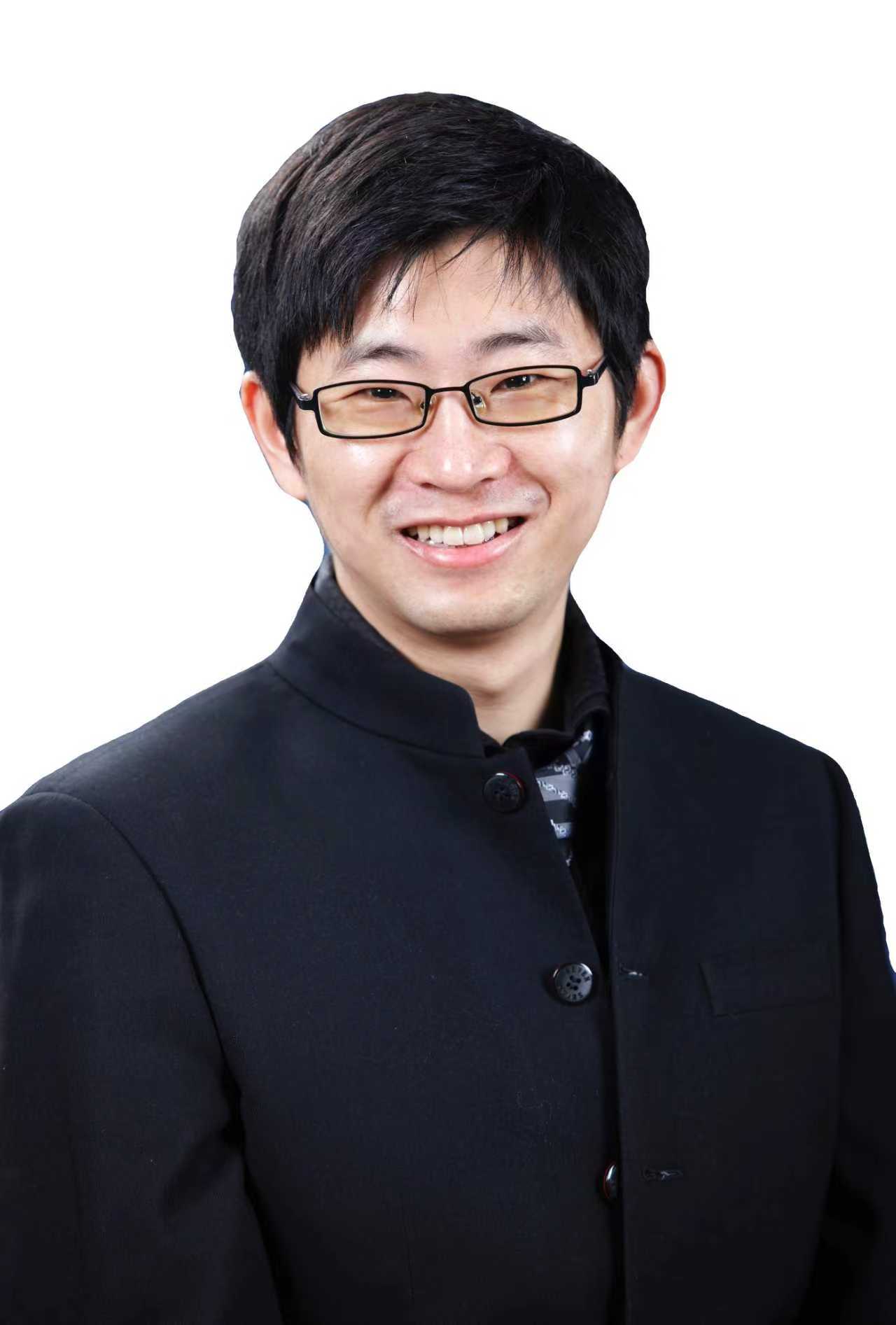
Fellow of IEEE and Professor, School of Computer Science and Engineering
South China University of Technology (SCUT)
Min Chen is a professor in School of Computer Science and Engineering at South China University of Technology (SCUT). Before he joined SCUT, he was a professor and the director of EPIC Lab at Huazhong University of Science and Technology since 2012. He is the founding Chair of IEEE Computer Society Special Technical Communities on Big Data. He is the founding EiC for Big Data and Cognitive Computing Journal with CiteScore of 9.8. He has 300+ publications, including IEEE JSAC, IEEE TNNLS, AAAI, Advanced Materials、Science, Nature Communications, etc. He has published 12 books, including Big Data Analytics for Cloud/IoT and Cognitive Computing (2017) with Wiley. His Google Scholar Citations reached 54,400+ with an h-index of 103. His top paper was cited 5,900+ times. He was selected as ESI Highly Cited Researcher from 2018 to 2025. He got IEEE ICC Best Paper Award in 2012, IEEE Communications Society Fred W. Ellersick Prize in 2017, the IEEE Jack Neubauer Memorial Award in 2019, and IEEE ComSoc APB Oustanding Paper Award in 2022. His research focuses on cognitive computing, Large Language Model, big data analytics, Embodied AI, and edge intelligence, etc. He is an IEEE Fellow, IET Fellow and AAIA Fellow.
Talk Title: TBA
Talk Abstract: TBA
Celimuge Wu, Professor
The University of Electro-Communications
Japan
Celimuge Wu received his Ph.D. degree from The University of Electro-Communications. He is currently a Professor and Director of the Meta-Networking Research Center at The University of Electro-Communications, Japan. His research interests include semantic communications, vehicular networks, edge computing, the Internet of Things (IoT), and AI-driven wireless networking and computing. He serves as an Associate Editor for IEEE Transactions on Networking, IEEE Transactions on Cognitive Communications and Networking, IEEE Transactions on Network Science and Engineering, and IEEE Transactions on Green Communications and Networking. He is the Vice Chair (Asia Pacific) of the IEEE Technical Committee on Big Data. Professor Wu is a recipient of the 2021 IEEE Communications Society Outstanding Paper Award, the 2021 IEEE Internet of Things Journal Best Paper Award, the 2020 IEEE Computer Society Best Paper Award, and the 2019 IEEE Computer Society Best Paper Award Runner-Up. He is a Distinguished Lecturer of the IEEE Vehicular Technology Society. He is a Foreign Fellow of the Engineering Academy of Japan and a Fellow of the Asia-Pacific Artificial Intelligence Association (AAIA).
Talk Title: Low Latency Semantic Communication System for Remote Driving with Generative AI
Talk Abstract: The explosive growth of multimedia data, the rapid increase in the number of connected devices, and the rising demand for real-time intelligent applications are imposing unprecedented challenges on current communication infrastructures. Traditional communication systems, which transmit raw or compressed data, often suffer from high latency and limited bandwidth efficiency. These limitations become particularly critical in delay-sensitive applications such as remote driving. To address these challenges, semantic communications have recently emerged as a transformative paradigm that focuses on transmitting the meaning of information rather than the raw data itself. This talk presents a novel low-latency video semantic communication framework tailored for remote driving scenarios. Unlike conventional video transmission approaches, the proposed system adopts an asymmetric encoder–decoder architecture that significantly reduces transmission overhead by sending only a minimal number of bits through semantic feature extraction. At the receiver side, high-quality video is reconstructed using advanced generative AI techniques. To validate the proposed framework, we design and implement a prototype system that seamlessly integrates semantic feature extraction, efficient transmission, and deep learning–based video reconstruction. Experimental results demonstrate its effectiveness in achieving low latency and high visual fidelity, highlighting its potential for next-generation intelligent transportation systems.
Xianbin Wang, Distinguished University Professor
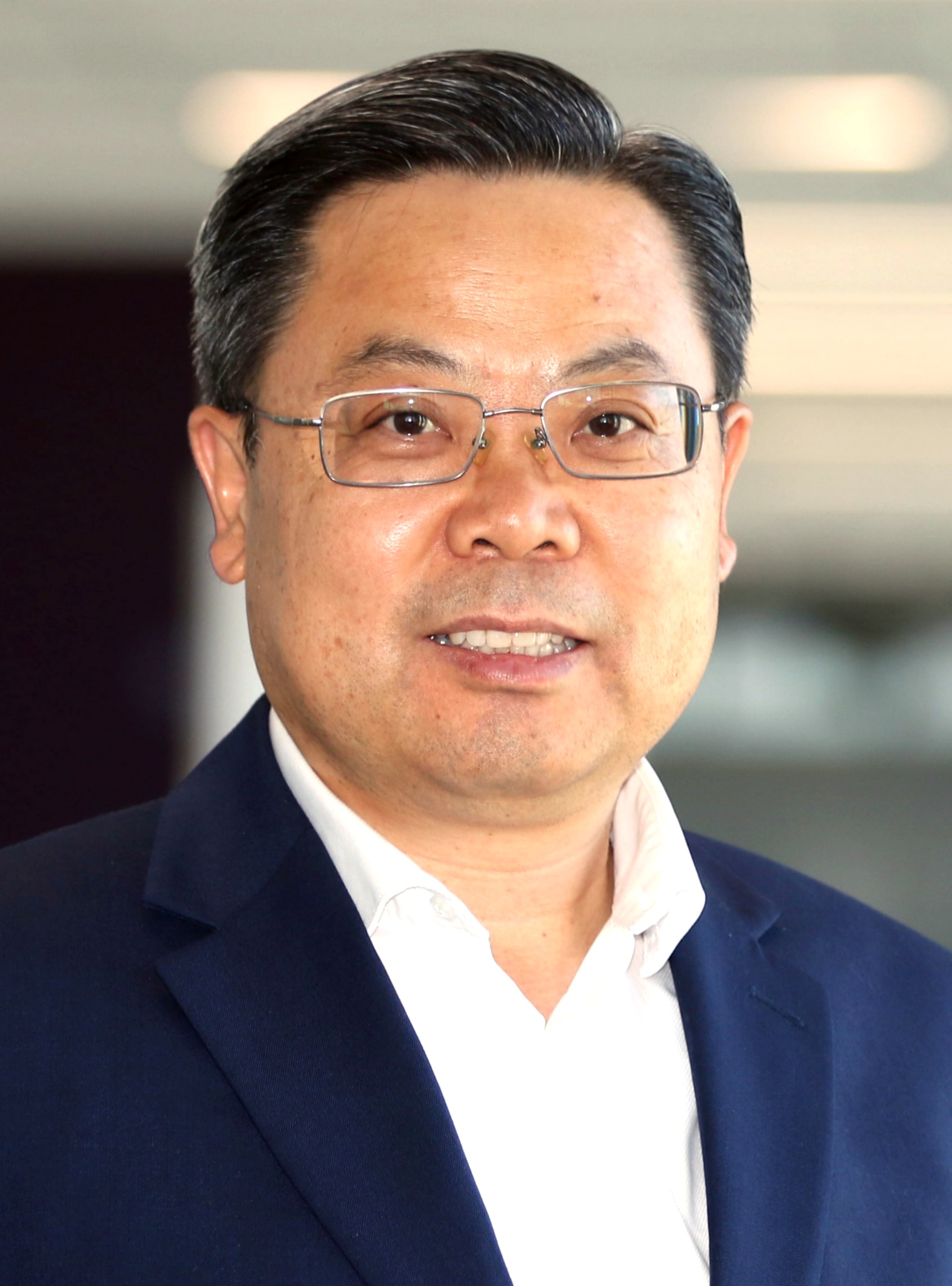
Tier-1 Canada Research Chair in Trusted Communications and Computing at Western University
Canada
Dr. Wang is a Fellow of IEEE, a Fellow of the Canadian Academy of Engineering and a Fellow of the Engineering Institute of Canada. He has received many prestigious awards and recognitions, including the IEEE Canada R. A. Fessenden Award, Canada Research Chair, Engineering Research Excellence Award at Western University, Canadian Federal Government Public Service Award, Ontario Early Researcher Award, and 12 Best Paper Awards. He is currently a member of the Senate, Senate Committee on Academic Policy and Senate Committee on University Planning at Western. He has been involved in many flagship conferences, including GLOBECOM, ICC, VTC, PIMRC, WCNC, CCECE, and ICNC, in different roles, such as General Chair, TPC Chair, Symposium Chair, Tutorial Instructor, Track Chair, Session Chair, and Keynote Speaker. He serves/has served as the Editor-in-Chief, Associate EiC, area editor, associate editor and guest editor for over ten journals. He was nominated as an IEEE Distinguished Lecturer multiple times by different IEEE technical societies. He has served on the Fellow Committees of IEEE and IEEE Communications Society. He was the Chair of the IEEE ComSoc Signal Processing and Computing for Communications (SPCC) Technical Committee and the Central Area Chair of IEEE Canada.
Talk Title: Beyond Connectivity: Toward AI- and Trust-Native 6G Networks
Talk Abstract: The unprecedented evolution of wireless technologies, together with their rapid convergence with artificial intelligence (AI) and vertical industry applications, is profoundly reshaping the design and operation of future networks. To effectively support diverse and dynamic applications, future 6G networks must evolve beyond connectivity by intelligently enabling beyond communication services and trusted collaboration among distributed devices. This presentation begins by examining the fundamental challenges in 6G and introducing a novel AI- and trust-native architectural paradigm. Our new wireless design strategies and the ongoing research activities for intelligent concurrent provisioning of beyond communication services, e.g. localization, sensing and synchronization will be then presented. Related to this framework, a new multi-dimensional multiple access (MDMA) mechanism is created as an inclusive enabling platform that intelligently coordinates multi-dimensional radio resources for tailored heterogeneous service provisioning. To achieve the operation goals of complex networked systems, this talk will further explore the critical aspects of trusted machine collaboration in 6G-enabled networked systems. Specifically, key enabling technologies and mathematical frameworks for task-specific trust evaluation, trusted collaborator selection, and effective task completion will be presented. Furthermore, generative AI-driven autonomous trust orchestration, based on a new concept of semantic chain-of-trust, agentic AI and hypergraph models will be discussed as tools to establish, maintain, and adapt spatiotemporal trust relationships among devices for collaborative task completion.